Giant Dinos & Interactive Galleries
From 4 years old

The “Dinos & Sciences” Experience
The Museum of Natural Sciences is first and foremost a great science museum : you can explore biodiversity, human evolution, minerals and the world of insects, with interactive spaces and temporary exhibitions.
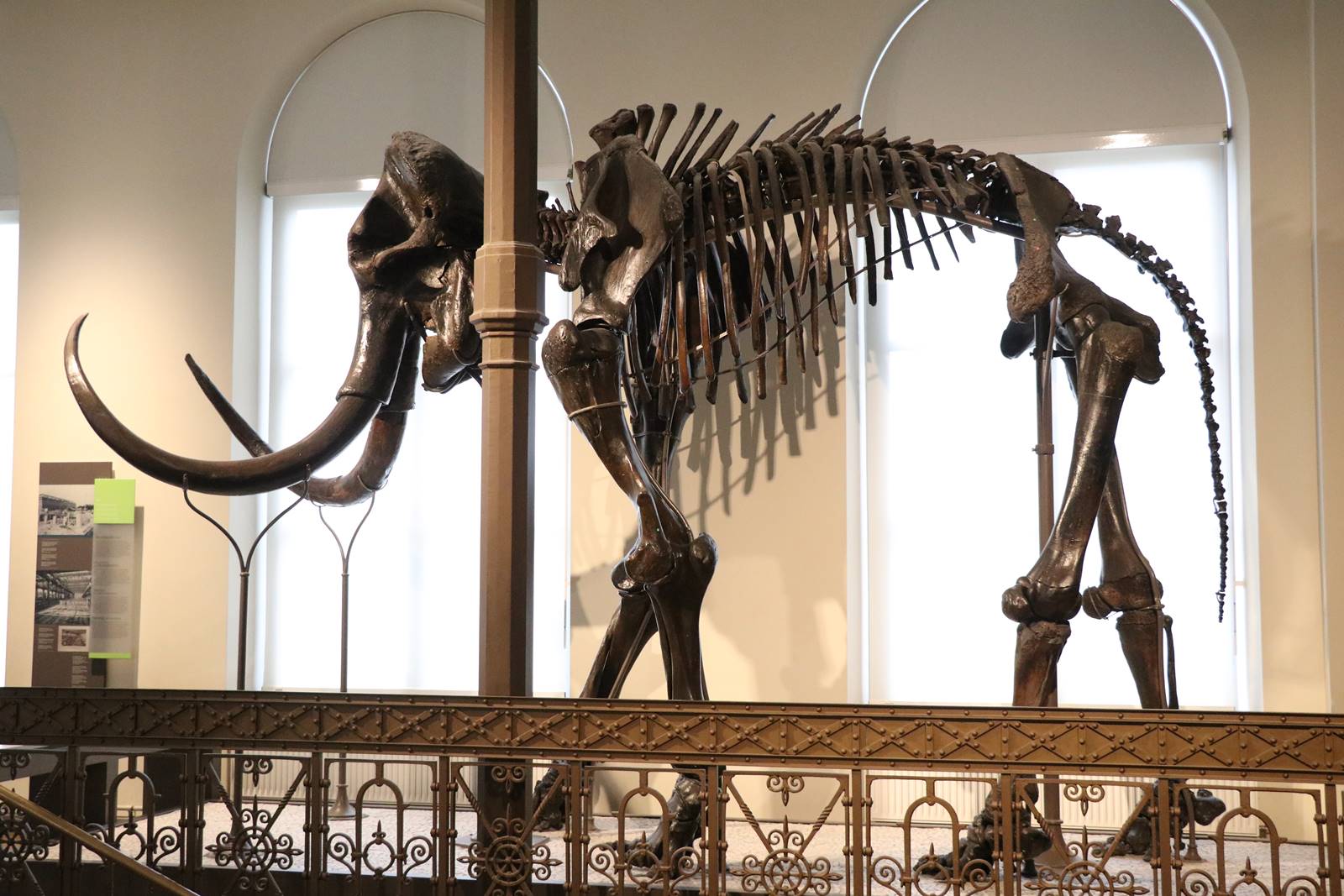
It is also famous for its spectacular Dinosaur Gallery — the largest in Europe — where you will discover the Bernissart Iguanodons, unearthed at a depth of 322 m at the end of the nineteenth century. With the same ticket, you can also browse Living Planet (biodiversity), the Gallery of Evolution and Humain (body & evolution).
An absolute classic for 6–12 year olds… and a hit with teenagers curious about science.
The museum in 6 points
- “Life-size” dinosaurs in a unique gallery in Europe, including the Iguanodon glass roof (staged “as if alive”).
- Living Planet : an aesthetic and educational tour of the living, perfect for nibbling on.
- Human & Evolution : understanding our bodies and our history in an interactive way.
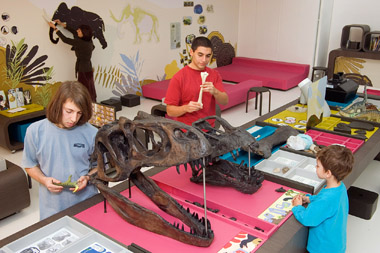
- PaléoLAB (school holidays): we play paleontologists (excavations, skeletons, casts).
- Dino Café : sandwiches, hot dishes, hot dogs; picnic areas indoor/out.
- Family services : lockers, cloakroom, changing tables, wheelchair loan, PRM access
We love it
- The Dinos Gallery : Iguanodons, T. rex, Triceratops, Diplodocus… in XXL formats.
- Spaces to be handled : workshops and family activities, including the PaléoLAB (school holidays).
- Careful accessibility : ramps, lifts, wheelchair on loan on request.
The team’s opinion
The Museum ticks all the “family” boxes: large formats that capture attention, varied routes to alternate between dinos/biodiversity/evolution, and easy logistics. Add a visit to the Leopold Park right next door to take a breather, and you have the perfect half-day.
Practical information
- AGE : from 4 years old (dinos), ideal 6–12 years old (PaléoLAB during holidays). I
- OPENING HOURS : Tue–Fri 9:30am–5pm, Sat–Sun 10am–6pm. Last admissions approx. 3.30 pm–4 pm (weekdays) and 4.30 pm–5 pm (weekends).
Closed Monday, 25/12, 01/01, 01/05. - RECOMMENDED DURATION : 1h30–2h (best-of dinos + 1 gallery); 2h30–3h if you take the time.
- ADDRESS : Rue Vautier 29, 1000 Brussels (European Quarter, Leopold Park).
- AUDIO / GUIDES : FR/NL content and podcast “Be My Guide” dinos (20 min).
- ON SITE : Dino Café, shop, cloakroom/free lockers, changing tables.
- ACCESSIBILITY : PRM access (ramps, lifts), wheelchair on loan (bookable), free companion with reduced PRM ticket.
Questions
Yes: ramps, elevators, cloakroom/lockers. Stroller OK; armchair available on request.
No, it is offered during the school holidays (and according to the schedule). Check the dates before coming.
The Galerie des Dinos offers a podcast FR/NL “Be My Guide”.
Oui, vestiaire et consignes gratuits au niveau 0 (juste avant la Galerie des Dinos). Ideal for storing bags, umbrellas and small suitcases.
Lost and Found : Contact [email protected].
Yes: “Dino” birthday packages (Saturday/Sunday), 7–12 years, up to 15 children (+ 2 parents), package announced by the museum. Booking by e-mail.
Just a stone’s throw from the Museum, you may also like…
LEOPOLD PARK :
Just behind the Museum, a green setting with a pond, ducks and a playground. After dinos and biodiversity, take a break in the fresh air: benches, lawns and ring-necked parakeets to observe — perfect for taking a breather with the family.
HOUSE OF EUROPEAN HISTORY :
An interactive tour that goes through the major stages of European history with everyday objects, multimedia and immersive rooms. This is enough to put into perspective the human evolution seen at the Museum… and start great discussions with your teenagers.
PARLAMENTARIUM :
European Parliament Visitor Centre: multimedia guide in many languages, animated maps, role-playing games to understand how laws are decided. A fun and modern complement to science, accessible even to the youngest.